

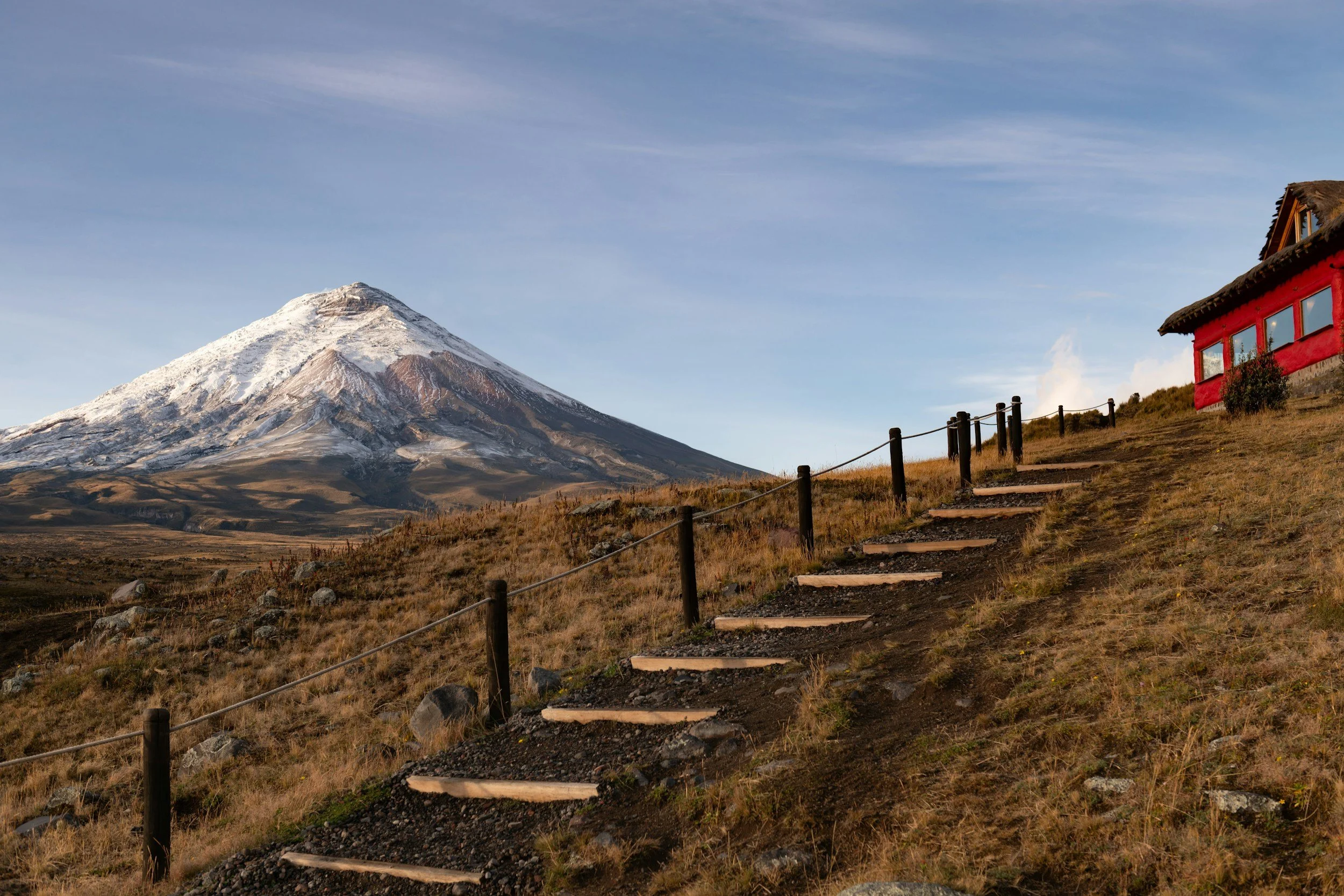
Custom Departures | Starting at $2,800❋
Cotopaxi: Climb Ecuador’s Iconic Volcano
What to ExpectCotopaxi is a true high-altitude alpine climb and one of the best introductions to glaciated mountaineering in the world. You’ll learn to move on snow and ice using crampons and an ice axe, culminating in a pre-dawn summit push to nearly 19,500 ft. While technically straightforward, the altitude, cold, and length of summit day make this a serious endurance effort. With proper acclimatization, skills training, and disciplined pacing, many climbers find Cotopaxi both challenging and highly attainable.
❋ Small, Private TeamsWith a maximum 1:2 guide ratio on summit day, pacing and decision-making are tailored to the team. This allows for a more controlled, safer, and higher-quality experience on the mountain.
❋ Full-Service Expedition SupportFrom your hotel in Quito to camps on the mountain, everything is handled. You’ll climb with a certified lead guide who manages your rope team and decision making so you can focus on moving well.
❋ Built for Proper AcclimatizationThe itinerary is intentionally structured with progressive altitude exposure—from Quito to Rucu Pichincha to an intermediate lodge—before moving to the refuge. This staged approach allows your body to adapt gradually and sets you up for a stronger summit attempt.
❋ A Proven, Thoughtful ApproachWe prioritize pacing, recovery, and team dynamics to support a strong summit experience. You’ll leave with a summit certificate—and a clear understanding of what it takes to move well on a high-altitude glaciated mountain.
❋ Real Skills, Not Just a SummitYou’ll learn and practice essential mountaineering skills, including crampon technique, ice axe use, self-arrest basics, and rope travel. This is not just about reaching the top—it’s about building competence on snow and ice.
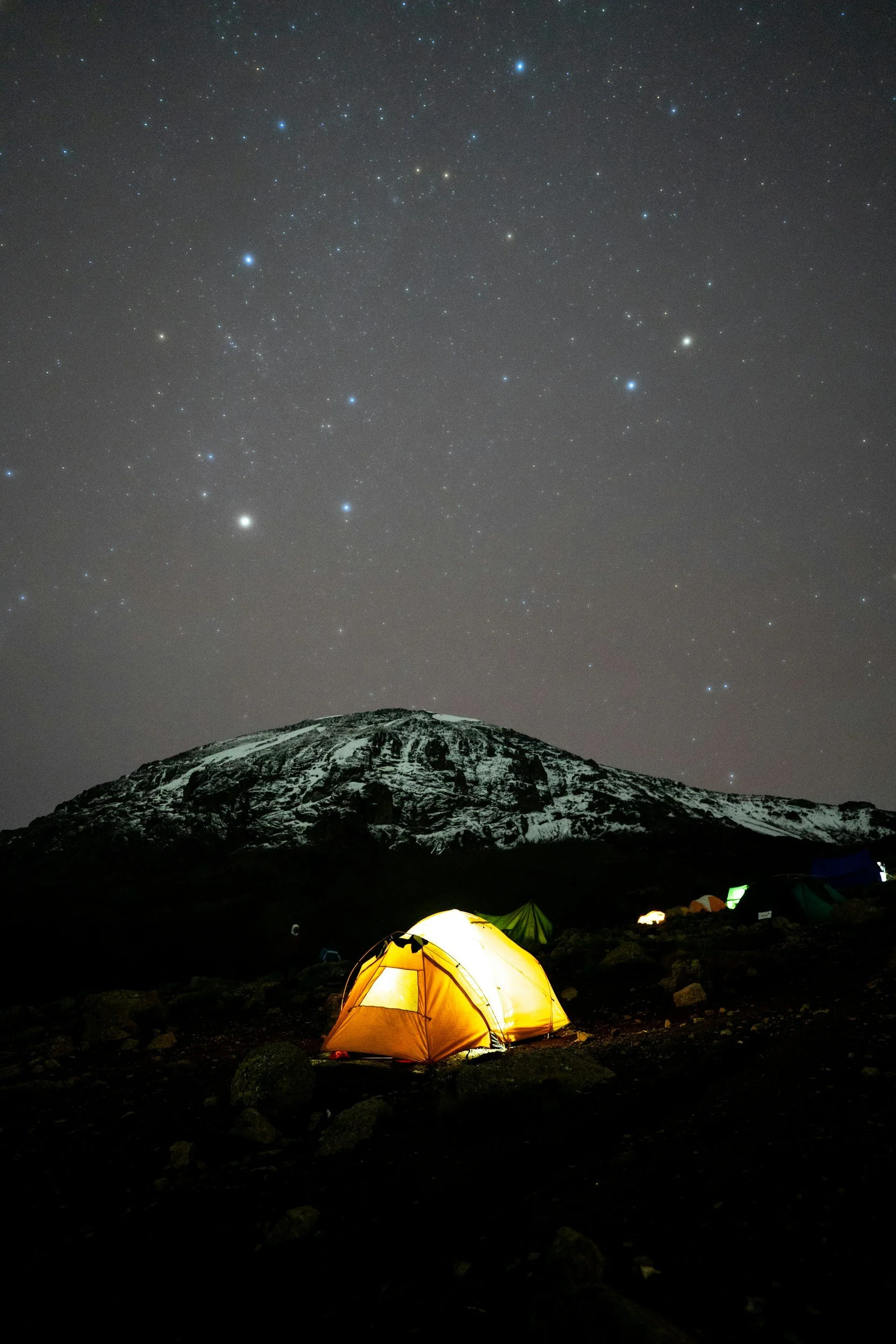
❋ A True Alpine EnvironmentCotopaxi’s glacier, crevasses, and high-altitude conditions create a real alpine setting. The pre-dawn summit push, moving under headlamp on snow and ice, is a defining mountaineering experience.
CotopaxiItinerary
As everyone arrives, we settle in, connect as a team, and walk through the route options that will shape the climb ahead. The journey starts here.
-
Arrive in Quito (~9,350 ft), transfer, welcome dinner
-
Briefing, gear check, acclimatization in Quito
-
Acclimatization climb: Rucu Pichincha (~15,700 ft)
-
Transfer to intermediate lodge (~11,500–12,500 ft)
-
Glacier skills training on snow and ice
-
Move to José Ribas Refuge (~15,750 ft), rest and prep
-
Summit attempt (~19,347 ft), descend
-
Weather contingency day
-
Return to Quito, celebration dinner
-
Depart Ecuador
What Your Expedition IncludesIncluded
Everything is designed to remove friction from the experience—from the moment you arrive in Mexico to your final day on the mountain. With logistics, support, and planning fully handled, you can focus entirely on the climb.
Pre-trip support from Ash to Altitude (training, gear, and preparation guidance)
Ash to Altitude expedition leadership and on-mountain support throughout
Professional, bilingual, licensed Ecuadorian mountain guide(s)
Maximum 1:2 guide-to-client ratio on summit day
All guide wages, accommodation, food, and insurance
Hotel accommodation in Quito (as outlined, double occupancy)
Intermediate mountain lodge / hacienda stay (~11,500–12,500 ft)
1 night at José Ribas Refuge (~15,750 ft)
Meals as outlined:
Welcome and celebration dinners in Quito
All meals at the refuge prior to summit
All required permits and national park fees
Ground transportation during the expedition
Glacier skills training and review (crampons, ice axe, rope travel)
Group technical equipment (ropes and shared safety systems)
Trip completion certificate
Flight coordination support (airfare not included)
Start HereWho This is For
This expedition is designed for those stepping into glaciated mountaineering for the first time, or building experience on high-altitude snow and ice.
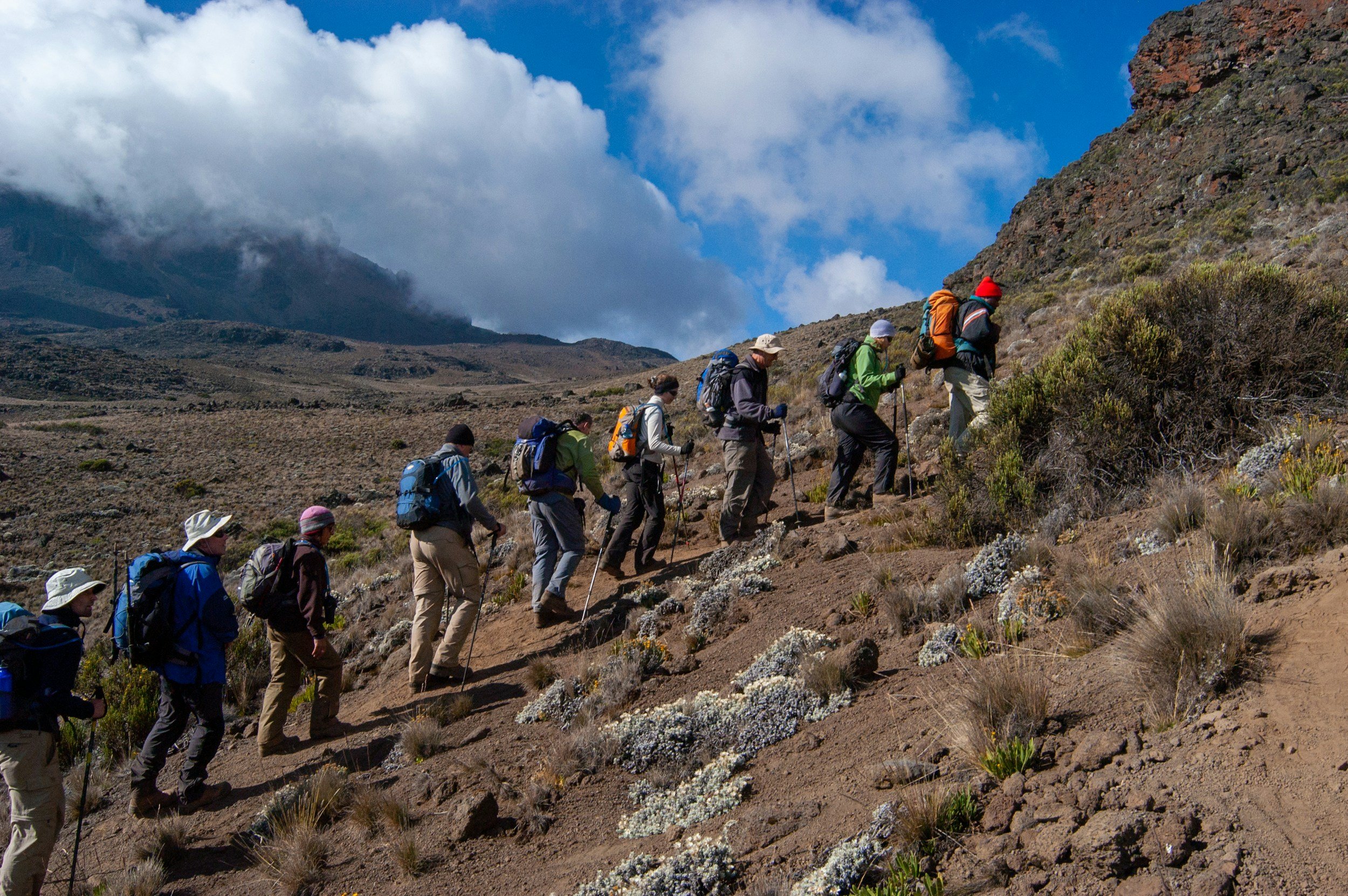
Cotopaxi is often considered an ideal progression from trekking peaks like Kilimanjaro. It introduces technical elements—crampons, ice axe, rope travel—while remaining accessible to those with a strong endurance base.
This is a strong fit if you:
Maintain a consistent fitness routine (running, hiking, skiing, etc.)
Are comfortable moving for 6–8 hours with a pack at altitude
Want to gain hands-on experience on snow and glacier terrain
Are preparing for larger objectives like Denali or the Seven Summits
You don’t need prior technical experience—but you do need to be prepared to learn, stay engaged, and move consistently in a demanding environment.
This is not designed as a casual climb. It’s for those who want to approach their first glaciated peak with intention, preparation, and respect for the mountain.
Prepare FirstFitness & Preparation
Cotopaxi demands strong aerobic fitness, efficient movement, and the ability to perform at altitude in cold conditions.
You should be able to:
Move uphill for 6–8 hours with a 20–25 lb pack
Gain 3,000–4,000 ft of elevation in a day
Maintain steady pacing without long breaks
Recover well across consecutive days
Training should focus on:
Endurance (running, hiking, uphill movement)
Elevation gain (or incline training)
Lower body and core strength
Movement with a loaded pack
We provide individualized guidance so you arrive prepared and confident.
Whats Not Included
International airfare
Travel insurance with high-altitude evacuation (required)
Personal gear and equipment (rentals available)
Additional meals in Quito outside of included dinners
Snacks, drinks, and personal purchases
Tips for guides and staff
Extra hotel nights outside the itinerary
Costs due to weather, volcanic activity, or itinerary changes
We provide support and guidance for all of the above to ensure a smooth experience.
FAQ
-
No advanced technical experience is required, but you should be comfortable using crampons and moving on steep snow.
-
Summit day involves approximately 4,800 ft of elevation gain and takes 12–14 hours round trip, making it physically demanding despite the non-technical terrain.
-
No. Weather, conditions, and team health determine whether a summit attempt is safe.
-
All final decisions are made by the certified Mexican mountain guide based on conditions and team safety.
-
The guide-to-client ratio is approximately 1:2 for summit day.
-
The summit attempt typically begins around midnight, depending on weather and conditions.