

JOURNEY TO
EVEREST BASE CAMP
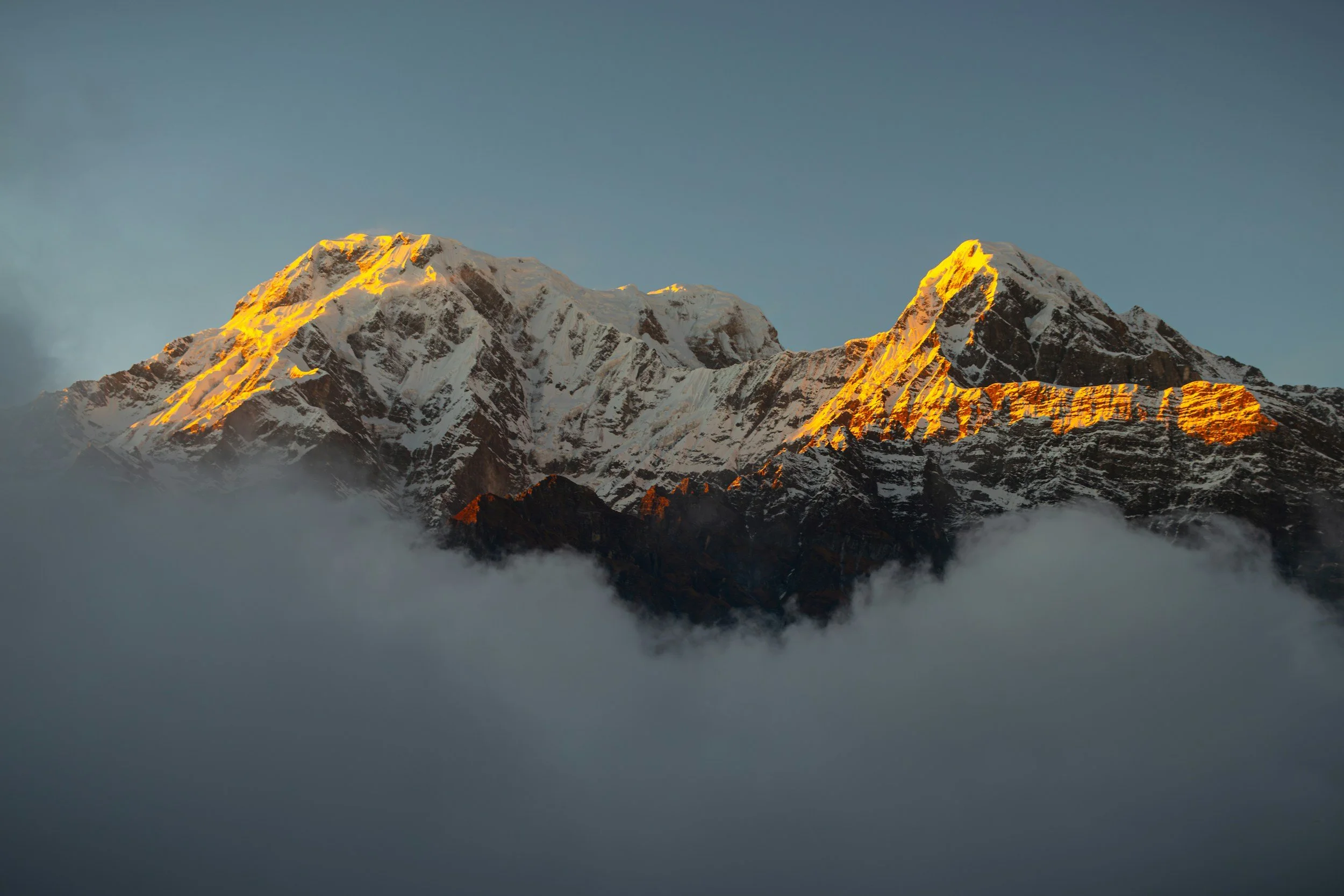
A high-altitude expedition through the Himalaya blending Sherpa culture, glacial landscapes, remote mountain villages, and the iconic route to Everest Base Camp beneath the highest peaks on Earth.
Location
Katmandu, Nepal
Duration
17 Days
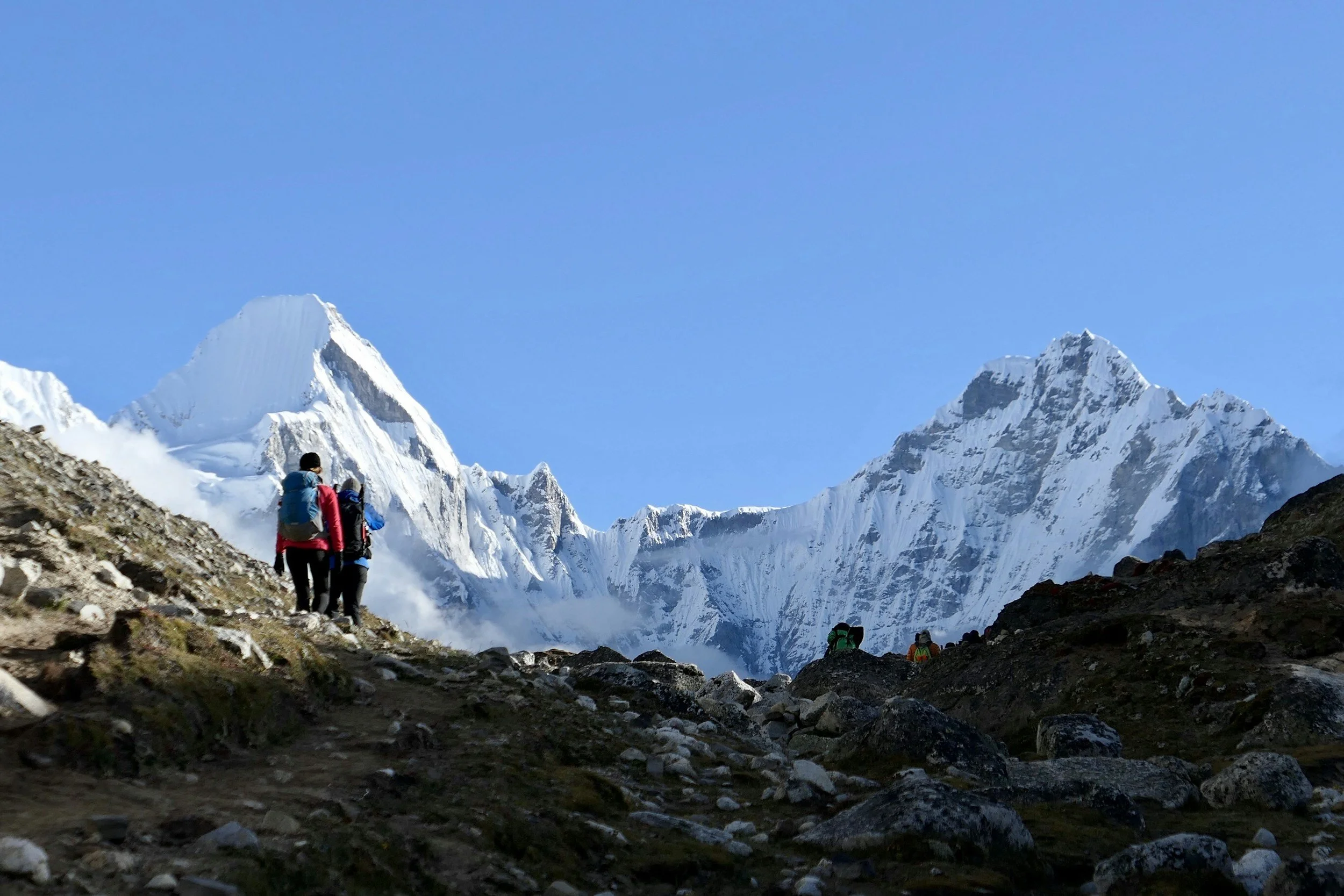
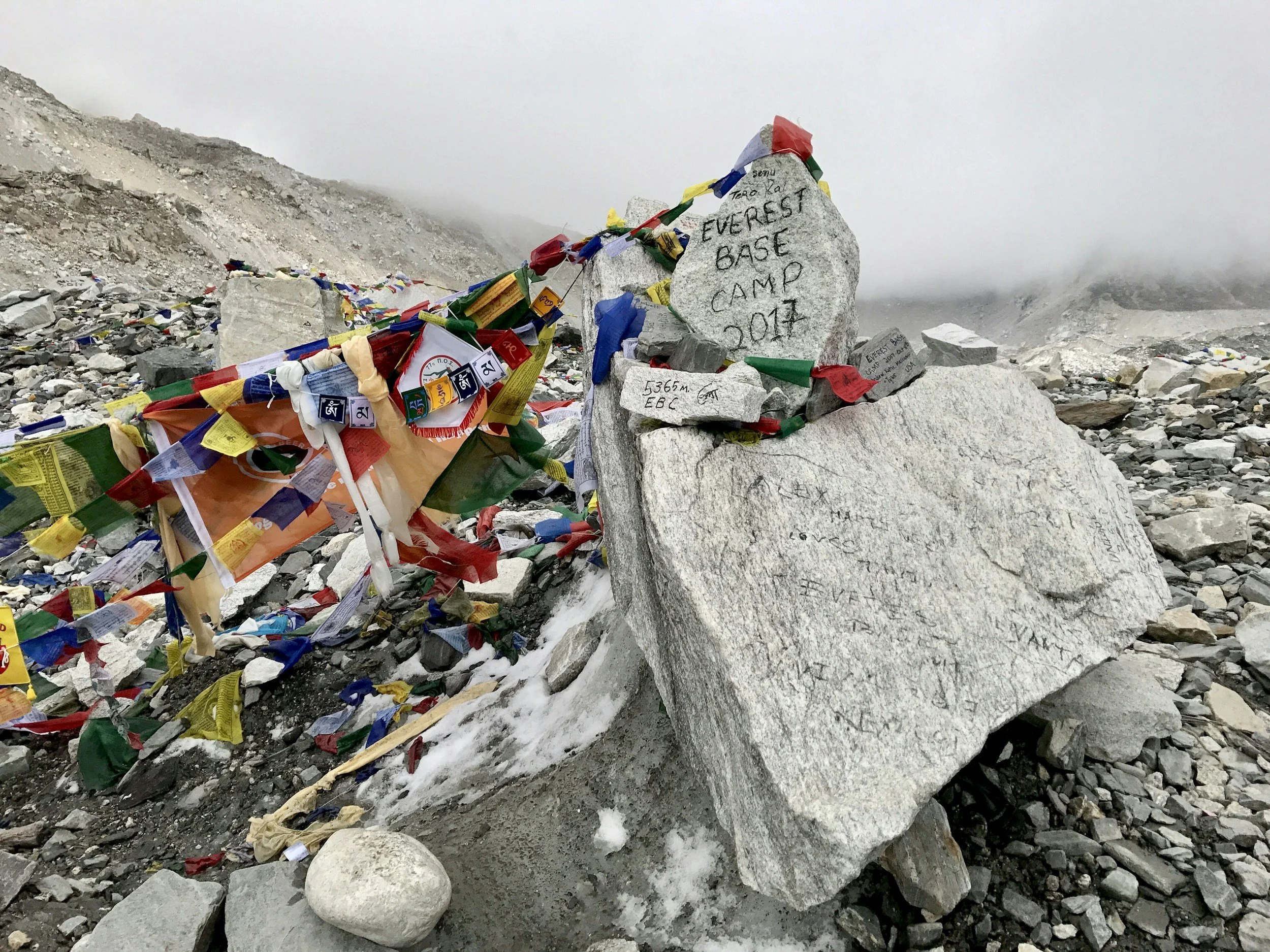
Everest Base Camp (17,598 ft / 5,364 m) sits at the foot of the highest mountain on Earth and is one of the most iconic high-altitude journeys in the world. This is not a technical climb, but it is not easy. The trek demands sustained effort over nearly two weeks at altitude, with long days on rugged terrain, cold conditions, and progressively thinner air. The route moves through Sherpa villages, glacial valleys, and alpine terrain beneath Everest, Lhotse, and Ama Dablam. Success depends on fitness, pacing discipline, and proper acclimatization—not speed. This is an endurance challenge that rewards patience, consistency, and respect for altitude.
❋ Fully Supported High-Altitude Trekking SystemThis is a fully supported trek from start to finish, with licensed Nepalese guides, dedicated porters, and all on-route logistics handled. You move efficiently through the Khumbu without needing to manage infrastructure, allowing full focus on acclimation, pacing, recovery, and adaptation to altitude.
❋ Women OnlyThis women’s-only expedition is designed to create a supportive, collaborative, and empowering environment in the Himalaya. The small team structure encourages connection, shared experience, and intentional pacing while moving through one of the most iconic trekking routes in the world together.
❋ Teahouse-Based Lodging & Meal SystemAll lodging during the trek is in established teahouses along the route, with three meals per day included. This system provides consistent access to food, shelter, and rest without the need for expedition-style camping or cooking systems.
❋ End-to-End Logistics ManagementFrom arrival in Kathmandu through return departure, all core logistics are handled, including accommodations (as listed), transportation (including domestic flights), permits, and coordination with local teams. This ensures a streamlined experience without gaps in planning or execution.
April 1: International arrival in Kathmandu. Private airport transfer to the hotel and evening at rest after travel.
April 2: Trip briefing, permit verification, gear checks, and final preparation day in Kathmandu.
April 3: Drive to Ramechhap followed by a scenic flight to Lukla. Begin trekking along the Dudh Koshi River to Phakding.
April 4: Trek through Monjo and Sagarmatha National Park before climbing to Namche Bazaar.
April 5: Acclimatization day in Namche with a hike toward Syangboche and Khumjung before returning to Namche.
April 6: Trek scenic balcony trails toward Tengboche Monastery with continuous views of Ama Dablam.
April 7: Continue through Pangboche and the Imja Valley to Dingboche surrounded by Himalayan peaks.
April 8: Acclimatization hike toward Chhukung for altitude exposure and glacier views before returning to Dingboche.
April 9: Trek to Lobuche via the Thukla memorial ridge and the Khumbu Glacier moraine.
April 10: Trek to Gorak Shep before continuing to Everest Base Camp and the Khumbu Icefall. Return to Gorak Shep for the night.
April 11: Sunrise ascent of Kala Patthar for panoramic Everest views before descending to Pheriche.
April 12: Descend through Pangboche and Deboche back to Tengboche.
April 13: Trek from Tengboche to Namche Bazaar.
April 14: Final trekking day returning to Lukla followed by a farewell dinner with the trekking team.
April 15: Flight from Lukla to Ramechhap and transfer back to Kathmandu.
April 16: Contingency day in Kathmandu for weather delays, recovery, or sightseeing.
April 17: International departure from Kathmandu.
$2,850 per person
Based on 11+ participants.
Dates: April 1st - April 17th 2027
This 17-day Everest Base Camp expedition includes guided trekking through the Khumbu Valley, Everest Base Camp, Kala Patthar, licensed local guides, porter support, domestic Lukla flights, Kathmandu accommodations, teahouse stays, trekking meals, permits, airport transfers, and full logistical support throughout the expedition.
What’s Included
- Pre-trip support from Ash to Altitude including training guidance, gear advice, and trek preparation
- Ash to Altitude founder Nicole Otake trekking alongside the group
- English-speaking licensed local trekking guide
- Porters during the trek (13 kg luggage allowance per trekker)
- Guide and porter wages, accommodation, food, and insurance
- Hotel accommodations in Kathmandu (twin-share)
- Standard teahouse accommodations during the trek (twin-share)
- Breakfast, lunch, and dinner during trekking days
- Airport transfers on scheduled arrival and departure days
- Required ground transportation throughout the itinerary
- Domestic Lukla flights
- 15 kg baggage allowance on domestic flights
- All trekking permits and local taxes
- Sagarmatha National Park Permit
- Khumbu Pasang Lhamu Rural Municipality Permit
- Emergency oxygen bottle, mask, and regulator from Khumjung upward
- Welcome dinner in Kathmandu
- Celebration dinner in Kathmandu
- Trip Completion Certificate
- Nepal tourist visa coordination assistance
- Domestic and international flight coordination assistance
Not Included
- International airfare to/from Nepal
- Travel insurance and emergency evacuation insurance
- Additional meals in Kathmandu not listed in the itinerary
- Personal trekking gear and medications
- Tips and gratuities
- Alcoholic beverages and bottled water
- Hot showers, Wi-Fi, and charging fees during the trek
- Extra snacks and personal purchases
- Museum or monastery entrance fees outside itinerary inclusions
- Additional costs caused by weather delays or itinerary changes
- Extra nights in Kathmandu due to delayed flights or schedule changes
The Not-So-Fine Print
Altitude & Safety
Any signs of AMS, HACE, or HAPE will result in immediate descent. All safety, turnaround, and route decisions are made solely by the licensed Nepalese guide. Everest Base Camp is never guaranteed, and all decisions are made conservatively in the interest of group safety.
Participants should be capable of hiking multiple consecutive days at altitude while carrying a daypack over uneven terrain.
Acclimatization Philosophy
Proper acclimatization depends on patience, hydration, pacing, and discipline. Acclimatization days follow the “climb high, sleep low” principle to maximize adaptation while reducing altitude risk.
Alcohol and smoking are not permitted during the trek.
Fitness & Preparation
You must be able to:
- Hike 5–7 hours per day for 10+ consecutive days
- Carry a daypack (10–20 lbs) at altitude
- Handle uneven terrain, long descents, and sustained climbs
- Maintain steady pacing even when fatigued
Training should prioritize:
- Long aerobic efforts (hiking, incline work, skins)
- Back-to-back training days
- Time on feet, not speed
Lukla Flights & Weather
Flights to Lukla are highly weather dependent and delays are common. During peak trekking seasons, flights often operate through Ramechhap rather than Kathmandu.
Optional shared helicopter upgrades to Lukla may be available depending on weather and demand.
Insurance Requirement
All participants are required to carry high-altitude evacuation insurance covering helicopter rescue up to at least 18,000 ft.
Payment Schedule
- 25% non-refundable deposit required to reserve spot
- 50% due 90 days prior to departure
- Remaining balance due 30 days prior to departure
Essential Packing List
Required Gear
- Four-season sleeping bag (0°F / -18°C recommended)
- Puffy down jacket
- Duffle bag
- 20–45L daypack with rain cover
- Waterproof trekking boots (well broken-in)
- Trekking poles
- Headlamp with spare batteries
- Water bottles or insulated hydration system
- Waterproof shell jacket and pants
- Technical base layers
- Fleece or insulated mid-layer
- Warm gloves and beanie
- UV sunglasses and sunscreen
Recommended Clothing
- 2–3 trekking shirts
- 2 pairs trekking pants
- Thermal base layers
- Wool trekking socks
- Camp shoes or sandals
- Buff or neck gaiter
Personal Items
- Passport and travel documents
- Travel insurance information
- Personal medications
- Toothbrush and toiletries
- Wet wipes and hand sanitizer
- Power bank and charging cables
- Electrolytes and snacks
- Earplugs and eye mask
Equipment rentals are available. Please email nicole@ashtoaltitude.com for rental inquiries.
-
This is a physically demanding endurance effort.
You will be trekking:
5–7 hours per day
For 10+ consecutive days
At elevations reaching 17,598 ft
Fatigue accumulates, recovery is slower, and altitude adds stress even on moderate terrain. Fitness and pacing discipline are critical.
-
Altitude.
The primary risks are Acute Mountain Sickness (AMS), High Altitude Pulmonary Edema (HAPE), and High Altitude Cerebral Edema (HACE).
The itinerary is designed to mitigate this through gradual ascent and acclimatization days, but risk cannot be eliminated. Any signs of altitude illness result in immediate descent.
-
No.
Weather, altitude, fatigue, and individual performance all impact outcomes. The guide has full authority to turn individuals or the group around at any point for safety.
-
You will carry a daypack (typically 10–20 lbs) with essentials such as water, layers, snacks, and personal items.
Porters carry up to 13 kg (28.6 lbs) of your duffel during the trek.
-
You will stay in teahouses (lodges) along the route.
Rooms are simple, typically twin-share
Bathrooms are shared in most locations
Heating is usually only available in common areas
Hot showers, Wi-Fi, and charging are available in some locations for an additional fee
This is not a luxury experience. Conditions become more basic as altitude increases.
-
Delays are common and expected.
Flights may:
Operate from Ramechhap instead of Kathmandu
Be delayed or canceled due to weather
The itinerary includes a contingency day, but flexibility is required. Optional helicopter upgrades may be available for an additional cost.
-
Yes—this is mandatory.
You must have insurance that covers:
High-altitude trekking (up to at least 18,000 ft)
Emergency evacuation, including helicopter rescue
Proof of insurance is required prior to departure.
-
Yes, but it is limited and paid.
Typical costs:
Charging: $3–5 per charge
Wi-Fi (Everest Link): ~$20–25 for a data card
Availability is not guaranteed and decreases with altitude.
-
Facilities are basic.
Toilets are primarily shared and may be squat-style at higher elevations
Toilet paper must be carried by you
Showers are limited and paid
You should expect progressively more basic conditions as you ascend.
-
Preparation should focus on:
Building aerobic endurance
Training for back-to-back days on feet
Practicing pacing and restraint
On the trek:
You will follow a structured acclimatization plan
Hydration and nutrition are critical
Alcohol and smoking are not permitted
-
If you are unable to continue due to illness, injury, or altitude:
You will descend with support from the guide team
Evacuation will be arranged if necessary (covered by insurance)
There are no refunds for early departure.
FAQ