

❋
Custom Departures | Starting at $4,120Mount Giluwe: A True Expedition in One of the Last Quiet Mountain Ranges
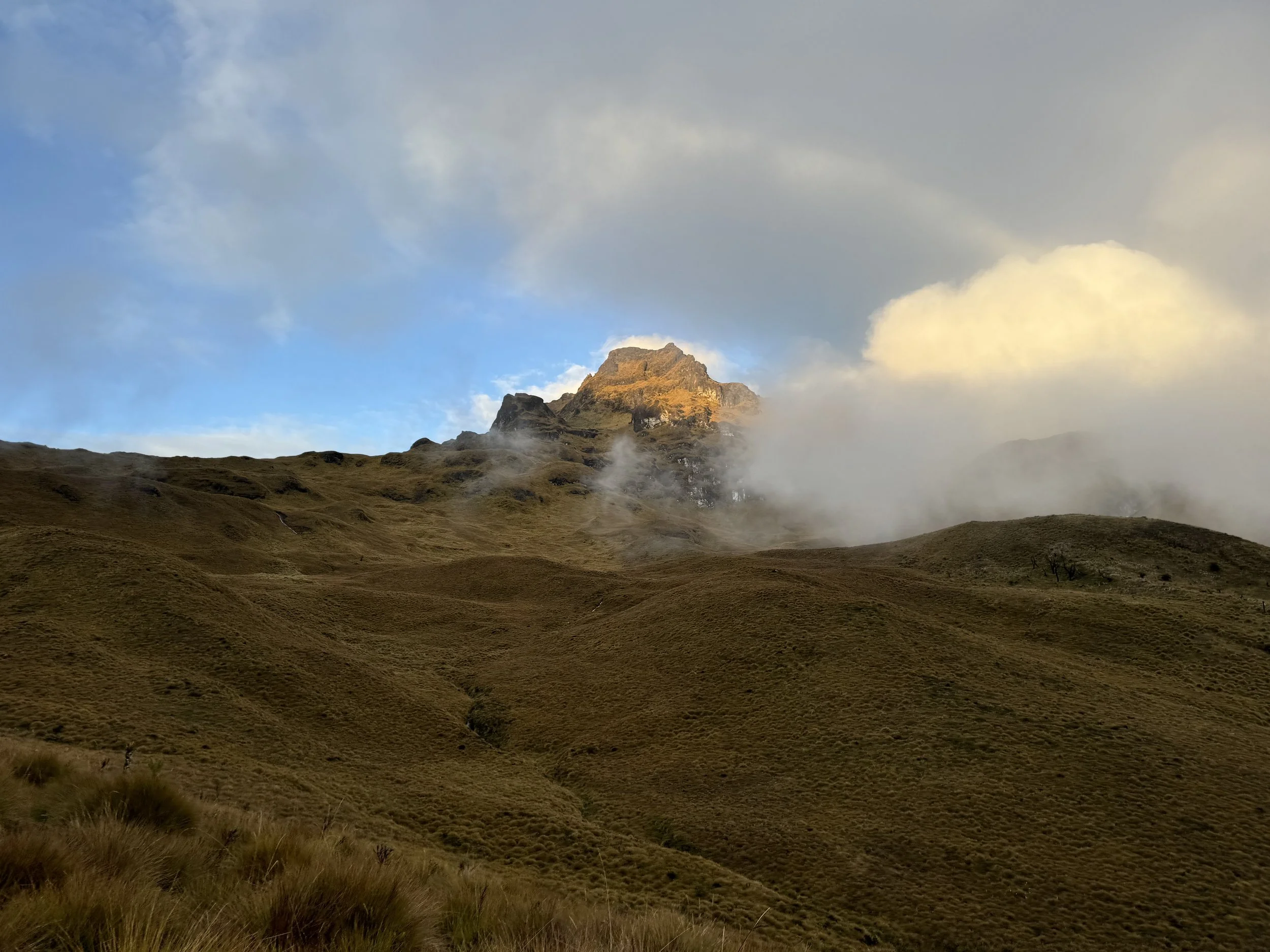
At 14,341 ft / 4,367 m, Mount Giluwe is the highest volcano in Oceania and one of the more remote objectives on the Seven Volcanic Summits. Located in the Papua New Guinea Highlands, the climb is non-technical but physically demanding, requiring sustained movement through dense forest, alpine grasslands, and exposed highland terrain. Unlike more developed trekking routes, Giluwe is defined by its isolation. There is no built infrastructure on the mountain—logistics rely on local teams, and the experience is raw, quiet, and deeply removed from conventional mountaineering environments.
❋ Remote Volcanic Summit in Papua New GuineaClimb the highest volcano in Oceania in one of the least trafficked mountain regions in the world. Giluwe offers a true expedition feel without technical climbing, set in a landscape far removed from typical trekking routes.
❋ Fully Supported Local Expedition TeamThe climb is supported by experienced local guides and porters, who manage load carrying, route navigation, and on-mountain logistics. This allows you to move efficiently while maintaining focus on pacing and performance.
❋ Lodge-Based Logistics Before & After the ClimbAccommodation is provided at Magic Mountain Lodge in Mount Hagen before and after the trek, offering a clean, stable base for recovery, organization, and transition in and out of the mountains.
❋ Short, Efficient Expedition FormatThe entire climb is completed over 4 days, making it one of the most time-efficient Seven Volcanic Summits objectives while still delivering a remote expedition experience.
❋ Base Camp Supported AscentThe climb is structured around a base camp system, with a single summit push from camp and a full descent back to the trailhead the same day. This keeps the expedition efficient while still allowing for proper rest and staging.
❋ All Ground Logistics CoordinatedAll ground transportation, accommodations (as listed), meals during the program, and local coordination are handled from arrival in Mount Hagen through departure.
Itinerary
As everyone arrives, we settle in, connect as a team, and walk through the route options that will shape the climb ahead. The journey starts here.
-
Arrive in Mount Hagen via domestic flight from Port Moresby. Meet the local team and transfer to Magic Mountain Lodge.
Overnight: Lodge -
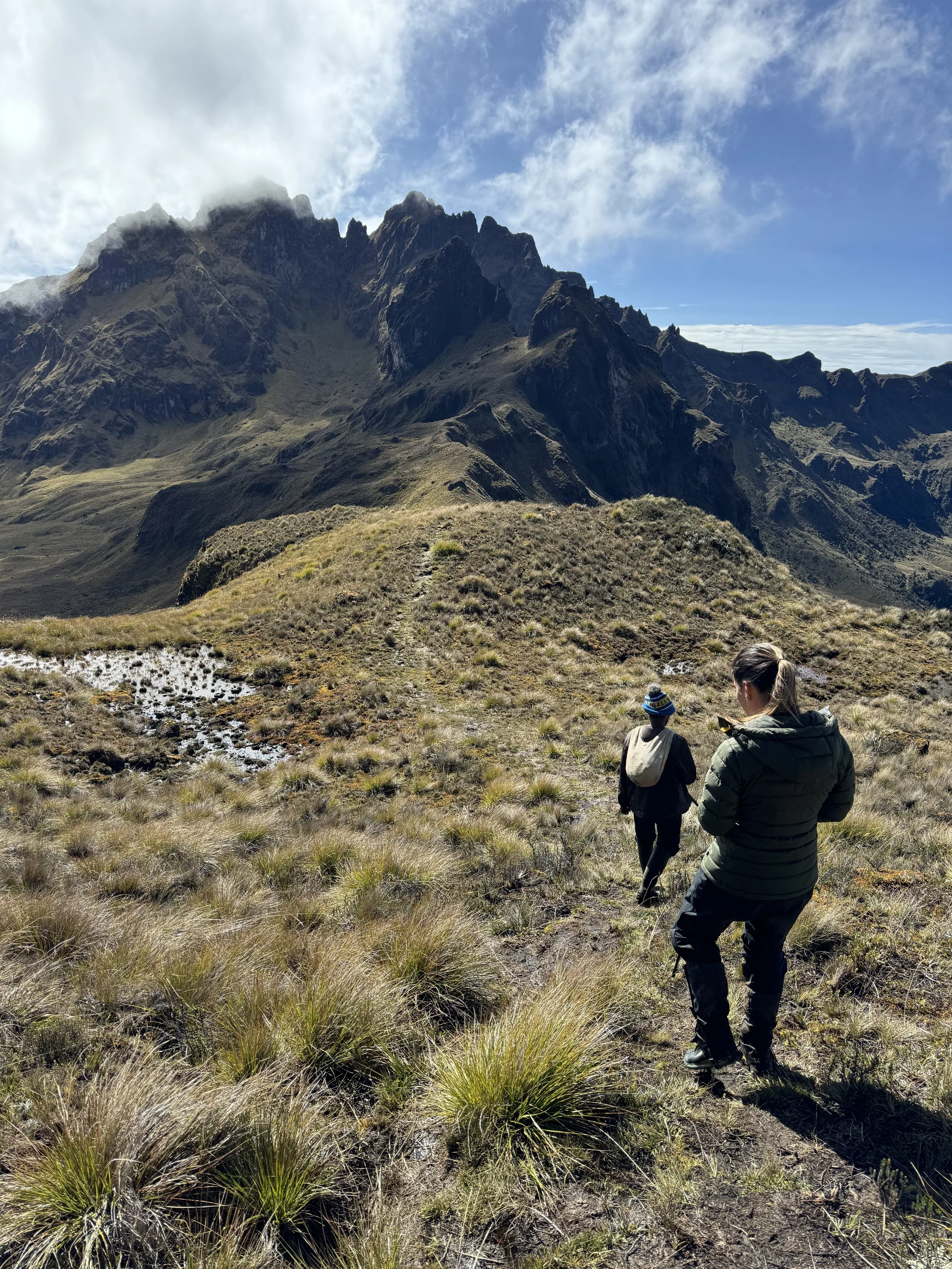
Early breakfast followed by transfer to the Kagoba drop-off point. Meet local guides and porters and begin trekking through forested terrain, transitioning into alpine grasslands. Continue to base camp.
Trekking time: ~6 hours
Overnight: Base Camp -
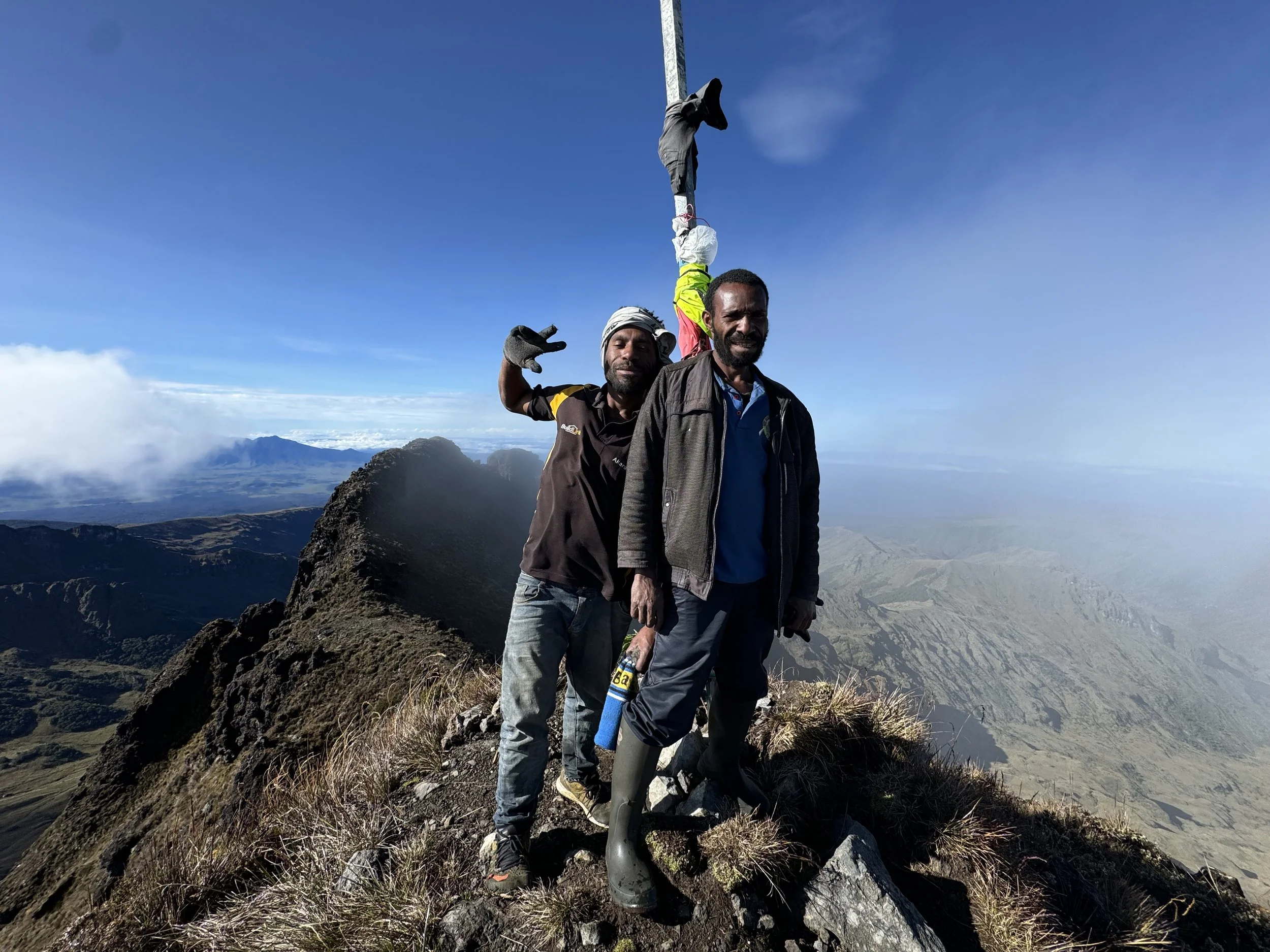
Early start from base camp to the summit of Mount Giluwe. After reaching the summit, descend back to base camp for lunch, then continue to the trailhead. Transfer back to Magic Mountain Lodge.
Trekking time: ~8–10 hours total
Overnight: Lodge -
Transfer to Kagamuga Airport for your return flight to Port Moresby.
Included
Everything is designed to remove friction from the experience—from the moment you arrive at Mt Hagen to your final day on the mountain. With logistics, support, and planning fully handled, you can focus entirely on the climb.
All accommodation as per itinerary (Magic Mountain Lodge + base camp)
All meals during the program
All ground transportation (airport transfers + mountain access)
Local guides and porter support
All local logistics and land fees
This expedition is designed for strong hikers, trekkers, and climbers who are comfortable operating in remote, undeveloped environments and are ready to take on a physically demanding volcanic objective.
Mount Giluwe is non-technical and lower in altitude compared to many major peaks, but that makes it easy to underestimate. The challenge comes from sustained movement through varied terrain—dense forest, mud, and alpine grasslands—combined with the lack of infrastructure and the need to move efficiently in a remote setting.
This is a strong fit for climbers working through the Seven Volcanic Summits, those looking to gain experience in expedition-style environments without technical climbing, or those who want a short but real objective that requires endurance and adaptability.
You do not need technical mountaineering skills to join, but you should arrive prepared to move continuously, handle uneven terrain, and stay composed in a setting where logistics are simple and support is limited.
This is not a casual trek, and it is not designed for someone expecting developed trails, consistent conditions, or comfort-driven pacing. Giluwe rewards efficiency, adaptability, and the ability to keep moving without friction.
This expedition is a strong fit if you:
Maintain a consistent endurance-based fitness routine
Are comfortable hiking for 6+ hours in a day on varied terrain
Can move efficiently through mud, uneven ground, and off-trail sections
Are comfortable in remote environments with limited infrastructure
Are working toward the Seven Volcanic Summits or similar objectives
Are prepared to train in advance and show up ready to execute
Who This is For
Mount Giluwe requires a solid aerobic base, efficient movement over varied terrain, and the ability to sustain effort over long days without relying on infrastructure or controlled conditions.
Success depends less on altitude tolerance and more on durability and efficiency—being able to keep moving through changing terrain while managing fatigue and maintaining steady output.
You should be able to:
Sustain 6–8+ hours of movement on summit day
Hike continuously for multiple hours through uneven and muddy terrain
Carry a light daypack while maintaining pace
Handle long efforts without structured breaks or controlled environments
Recover quickly enough to perform again the following day
Training should focus on:
Aerobic endurance (long efforts, not intervals)
Hiking on variable terrain (mud, grass, uneven surfaces)
Continuous movement rather than stop/start effort
Lower body strength and stability
Balance and footwork on inconsistent ground
We provide pre-trip guidance on training, gear, pacing, and expedition preparation so you arrive with a clear plan—not guesswork.
Fitness & Preparation
Whats Not Included
International airfare
Visa
Domestic flights (Port Moresby ↔ Mount Hagen)
(Can be arranged for an additional fee)
Travel insurance (mandatory)
Personal gear and equipment
Tips and gratuities
Personal expenses (snacks, drinks, etc.)
We provide support and guidance for all of the above to ensure a smooth experience.
FAQ
-
No. There is no technical climbing required. The challenge comes from terrain, distance, and remoteness.
-
Moderate to physically demanding.
The summit day is long (8–10 hours total movement), and terrain varies significantly. There is no infrastructure or support beyond your team.
-
Remoteness and terrain.
You are operating in a region with limited infrastructure, and conditions can vary. Efficiency and adaptability matter more than strength.
-
Not required, but helpful.
At 4,367 m, altitude is present but not typically the limiting factor. Terrain and pacing are more important.
-
Lodge: Clean, simple, suitable for international travelers
Base Camp: Basic camping setup
This is not a luxury experience.
-
You carry a daypack only. Porters handle the majority of load transport.
-
You must fly:
International → Port Moresby (PNG)
Domestic → Mount Hagen
Domestic flights are not included but can be arranged for an additional fee.
-
The climb itself is straightforward, but Papua New Guinea is a remote and logistically complex country.
All movement is coordinated with local teams, and logistics are tightly managed to minimize risk.
-
Yes. Travel insurance including evacuation is required.
Important Notes
Mount Giluwe is located in one of the most remote regions of Papua New Guinea. Travel here is fundamentally different from more developed trekking destinations, and expectations should be aligned accordingly.
Remoteness & Infrastructure
The Highlands have extremely limited infrastructure. Outside of Mount Hagen, there are no developed tourism systems, and services that are standard elsewhere (reliable roads, consistent supply chains, medical access) are minimal or non-existent.
Transportation Limitations
There is no car rental system and no reliable public transportation. All movement must be coordinated in advance through local operators. Independent travel logistics are not feasible in this region.
Guided Movement Only
It is not advisable to travel independently in the Highlands. Even short distances outside of your lodge should be done with a local guide. All movement during the program is coordinated with experienced local teams for safety and logistical continuity.
Electricity & Running Water
Access to electricity and running water is limited and inconsistent. Power outages are common, and charging devices may not always be possible. Water systems are basic, and you should expect variability in availability.
Flight Reliability
Domestic flights between Port Moresby and Mount Hagen are frequently delayed or canceled due to weather and operational constraints. It is strongly recommended to build in at least one buffer day on either side of your domestic flights to account for disruptions.
Expectation Setting
This is a remote expedition environment, not a developed trekking destination. Flexibility, patience, and adaptability are required throughout the experience.