❋
Custom Departures | Starting at $1,700Ojos Del Salado: Climb the highest volcano in the world.
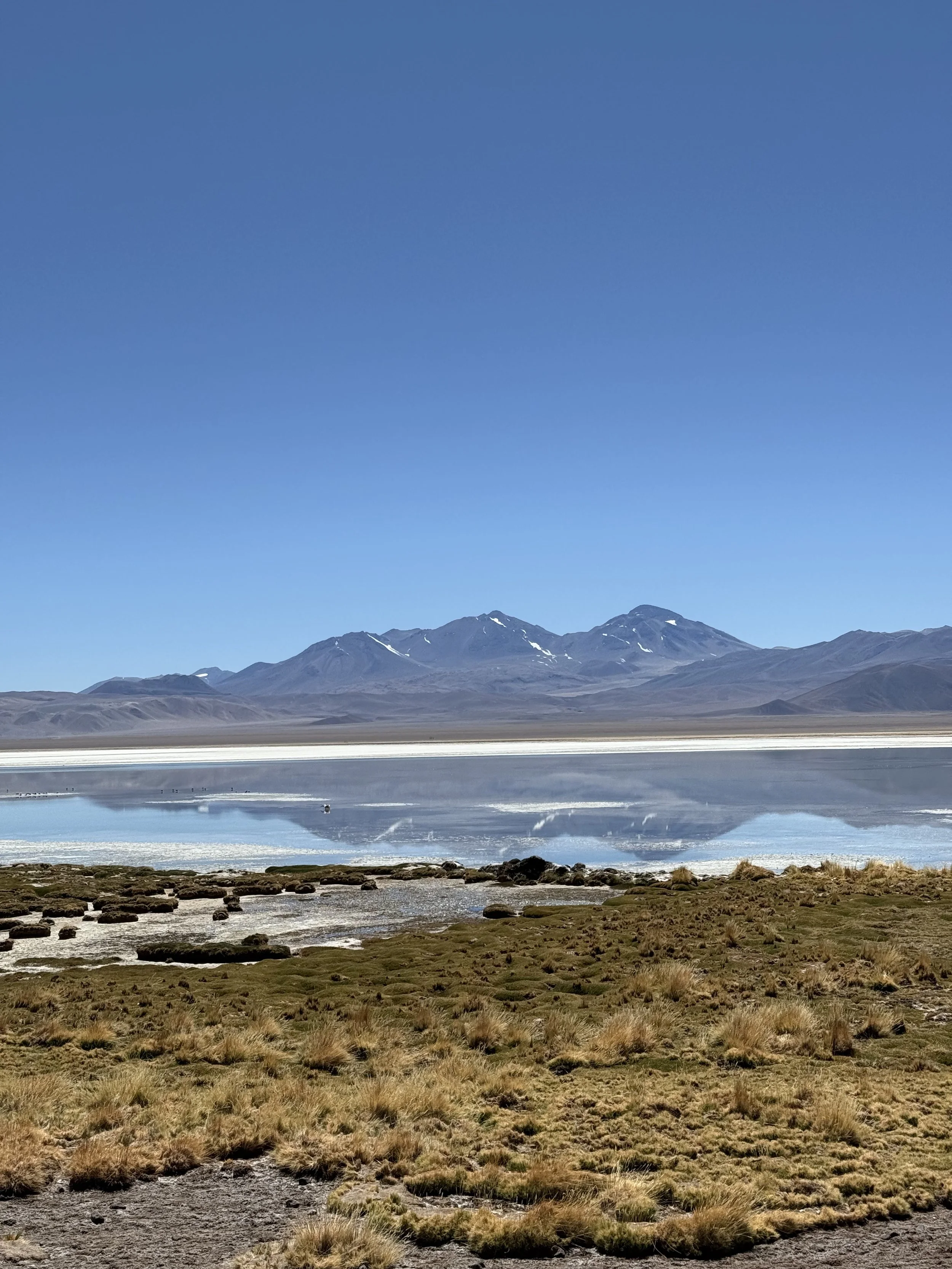
At 22,615 ft / 6,893 m, Ojos del Salado is the highest volcano on Earth and the second-highest mountain in South America. Located in the remote Atacama Desert, this expedition is defined by extreme altitude, isolation, and environmental intensity rather than technical climbing.
❋ Highest Volcano on EarthClimb to 22,615 ft on one of the most extreme non-technical high-altitude objectives in the world, where altitude—not technical difficulty—is the primary challenge.
❋ Logistics-Supported Expedition ModelAll expedition logistics are coordinated for you, including vehicles, refugios, route planning, and water systems, allowing you to focus entirely on execution and performance at altitude.
❋ 4WD High-Altitude Vehicle SupportDedicated 4WD vehicle and driver/fixer support enable efficient movement between camps while preserving energy for higher elevations.
❋ Flexible Expedition StyleThis is a self-directed, logistics-supported expedition. Climbers maintain autonomy over pacing, acclimatization hikes, and summit attempts, with optional upgrades for guided support.
❋ Structured Acclimatization StrategyMultiple itinerary options are designed around real expedition experience, ensuring proper adaptation whether arriving pre-acclimatized or starting from baseline.
❋ Pre-Expedition Planning & SupportReceive detailed acclimatization plans, GPX tracks, logistics coordination, and expedition strategy before arrival.
Itinerary Options
-
For climbers arriving already acclimatized
Duration: ~9–12 days
2 nights Copiapó (arrival + logistics)
Progressive ascent via high camps
3 dedicated weather days
Summit attempt (22,615 ft)
1 night hotel post-expedition
On-Mountain Flow:
~12,500 ft — 1 night
~14,200 ft — 2 nights
~17,000 ft — 1 night
~19,200 ft — 1 night
Summit push
-
For climbers without recent high-altitude exposure
Duration: ~18–21 days
2 nights Copiapó
Gradual acclimatization progression
Optional acclimatization peak (Nevado San Francisco ~19,700 ft)
3 weather days
Summit attempt
On-Mountain Flow:
~8,000 ft — 2 nights
~12,500 ft — 2 nights
~14,200 ft — 5 nights
~17,000 ft — 2 nights
~19,200 ft — 1 night
Summit push
-
Duration: ~21–24 days
Longer acclimatization at each elevation
Increased summit success probability
On-Mountain Flow:
~8,000 ft — 2 nights
~12,500 ft — 3 nights
~14,200 ft — 6 nights
~17,000 ft — 3 nights
~19,200 ft — 1 night
Summit push
Logistics Only Package
This option is designed for climbers who want to lead their own climb while relying on a fully built logistics system on the mountain. This is not a guided expedition.
You maintain full autonomy over pacing, strategy, and decision-making—while all base camp infrastructure, transport, and core support are handled.
Included
Pre-expedition planning (acclimatization plan, GPX tracks, strategy)
Full expedition logistics coordination
4WD high-altitude vehicle + driver/fixer
All mountain transport
Refugio accommodations (~14,200 ft, ~17,000 ft, ~19,200 ft)
Camping logistics (~12,500 ft; tent required)
All meals during expedition
All expedition water
Weather monitoring and summit planning support
First aid kit and medical preparedness
Dry toilet system
Hotel accommodations in Copiapó (2 pre + 1 post)
Permits and local logistics
International or domestic flights
Travel / evacuation insurance (required)
Personal gear and equipment
Tips for local staff
Personal snacks and specialty nutrition
Satellite communications (recommended)
Emergency evacuation costs
Not Included
This is a self-guided climb.
You are responsible for:
Route decisions
Pacing and load carries
Camp movement
Summit strategy
This option is best suited for climbers with prior high-altitude experience who are comfortable operating independently in an expedition environment.
Important — Self-Guided Responsibility
For climbers who want full support on the mountain, we offer a guided option built on top of the logistics package.
This includes everything in the logistics program, plus:
Professional mountain guide(s)
Daily pacing and acclimatization strategy
Support with load carries and camp movement
Ongoing health and altitude monitoring
Summit decision-making and execution
Pricing varies based on:
Group size
Guide ratio
Level of support requested
Inquire directly for guided expedition pricing and availability
Guided Ojos Expedition (Custom Pricing)
This expedition is designed for experienced endurance athletes and climbers who are ready to operate at extreme altitude in a remote, unsupported environment.
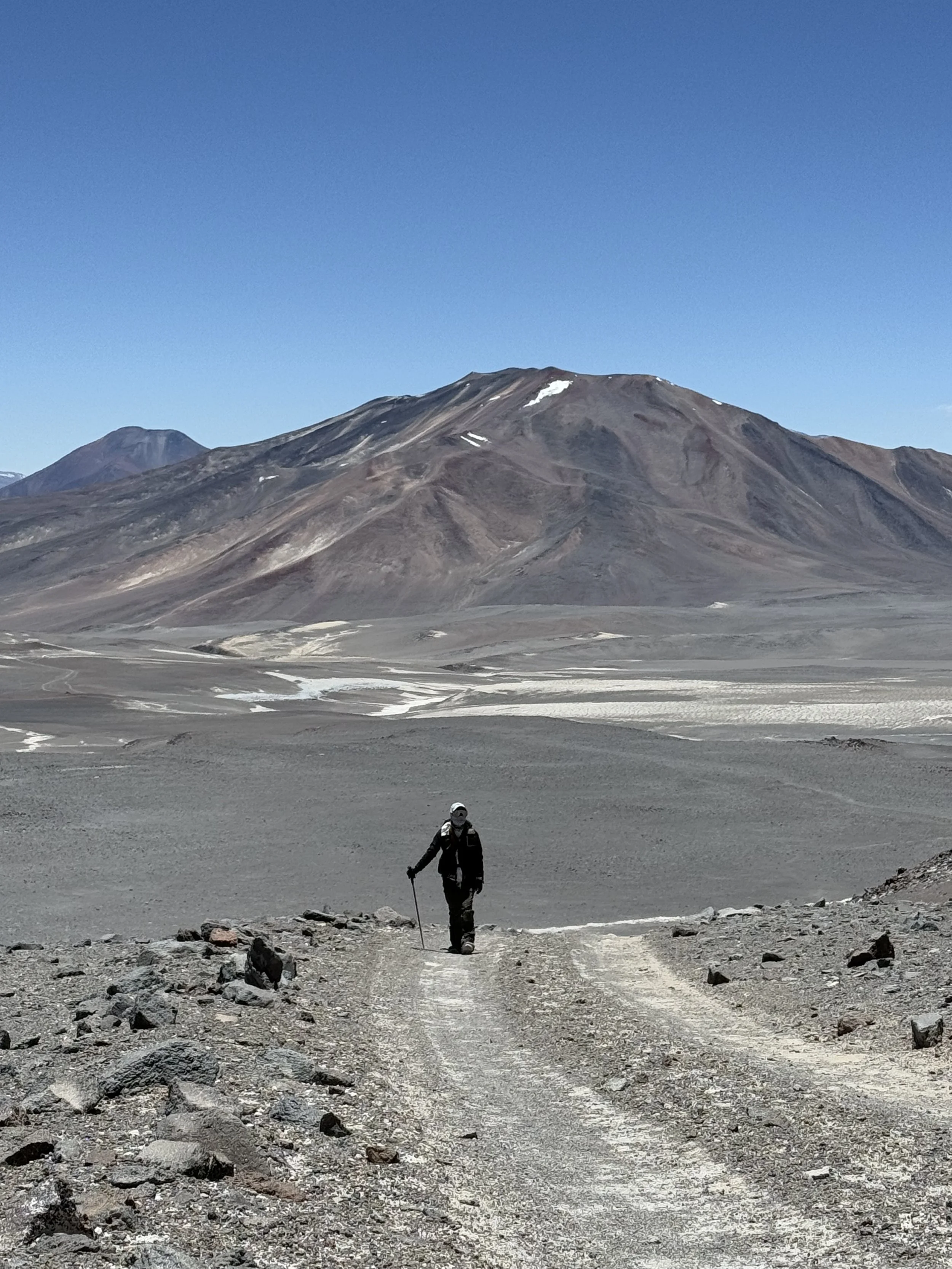
Ojos del Salado is non-technical, but that framing is misleading. The altitude, dryness, wind, and isolation create a serious objective that requires discipline, pacing, and the ability to function above 20,000 ft.
This is a strong fit for climbers coming off Aconcagua, those working toward the Seven Summits or Seven Volcanic Summits, or those with prior high-altitude experience looking for a physically demanding but technically accessible objective.
You do not need advanced technical climbing skills, but you should be comfortable managing effort, making decisions at altitude, and operating without constant external oversight.
This is not a guided, hand-held experience. It is not designed for someone hoping to figure things out on the mountain.
Ojos rewards preparation, patience, and strong internal pacing.
This expedition is a strong fit if you:
Have prior experience above 18,000 ft (strongly recommended)
Maintain a consistent endurance-based training routine
Can move efficiently at altitude over multiple days
Are comfortable with self-directed movement and decision-making
Can handle extreme dryness, wind, and environmental stress
Are preparing for larger objectives (Denali, Everest, etc.)
Who This is For
Fitness & Preparation
Ojos del Salado requires a high-level aerobic base, strong pacing discipline, and the ability to perform in extreme altitude conditions.
Success is determined less by strength and more by efficiency at altitude—your ability to move slowly, recover, and continue functioning as oxygen availability drops.
You should be able to:
Sustain 12+ hours of movement on summit day
Function effectively above 20,000–22,000 ft
Carry a light pack at altitude
Maintain output across multiple high camps
Move confidently over Class 3–4 terrain, including exposed scrambling
Training should focus on:
Aerobic endurance (long-duration efforts)
Loaded uphill movement
High-altitude exposure (if possible)
Lower body strength and durability
Pacing discipline and energy management
Summit Push — Final Section
The final section includes a short rock step:
Difficulty: ~5.4–5.6
Length: ~10–15 meters
Altitude: ~22,400 ft
This is technically straightforward but performed at extreme altitude. Fixed lines may be present but are unreliable and should not be trusted for protection.
Wind exposure and conditions on the summit ridge are often the determining factor in success.
We provide detailed pre-trip guidance so you arrive with a clear plan—not guesswork.
FAQ
-
No, but it is not easy.
Most of the route is non-technical, but the final summit section includes a short exposed rock step (~5.4–5.6) at extreme altitude.
-
Altitude and environment.
This is one of the highest mountains in the world, located in one of the driest and windiest environments on Earth.
-
Strongly recommended.
This expedition is best suited for climbers who have already been above 18,000 ft.
-
No.
This is a logistics-supported, self-directed expedition. You are responsible for your movement on the mountain unless you add a guide.
-
Light pack only.
Vehicle support allows efficient movement between camps, but you are still responsible for your personal gear during summit pushes.
-
Hotels in Copiapó (pre/post)
Basic refugios at higher camps
Camping required at ~12,500 ft
-
Extreme and variable.
High winds are common
Temperatures swing significantly
Humidity is near zero
Wind is the primary factor in summit success.
-
No.
Weather, altitude, and individual performance determine outcomes.
-
Acclimatization.
Your starting point (especially if coming off Aconcagua) determines how aggressively you can move through the mountain.
-
Yes.
High-altitude evacuation insurance is required.